Another new feature for 2016: Going to do a better job of reporting back about the out-of-town record stores I check out. Now, I know what you’re thinking: “Davy, this is just an excuse to work record shopping into the trips you and Mrs. YHT take.”
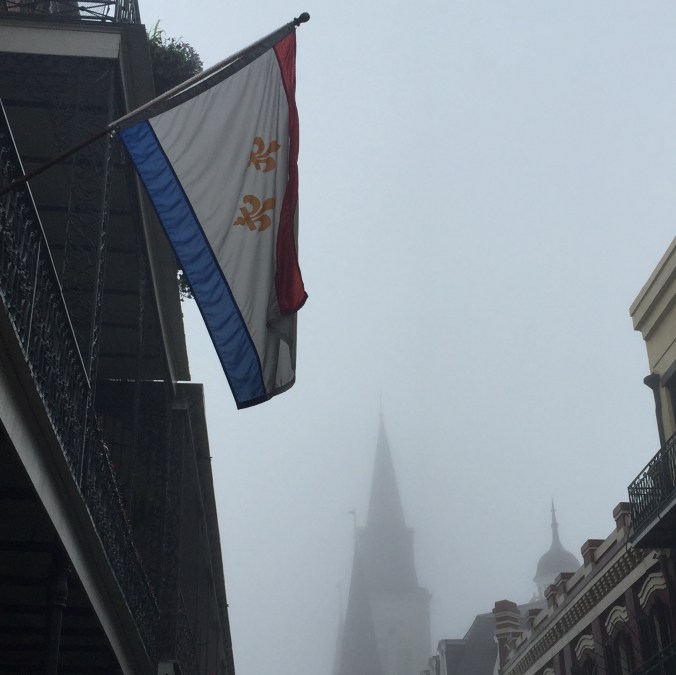
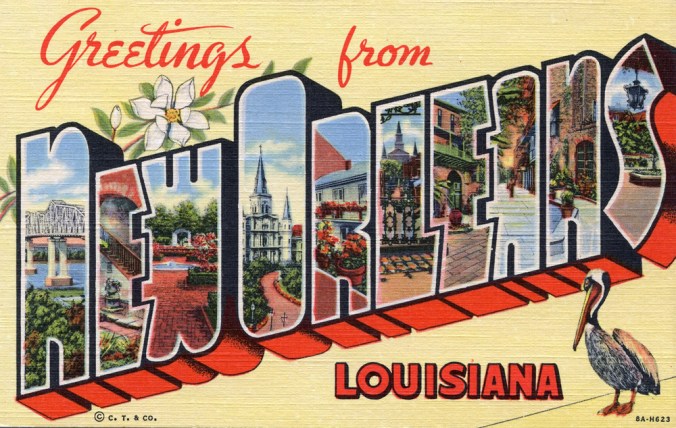
Let’s start in the Big Easy, where Mrs. YHT and I spent three nights two weeks ago. Taking a trip right before Christmas, one of the most stressful times of the year, may seem a little crazy, and it felt a little crazy when we were making final preparations, but it was awesome. Relaxing, even. We went to a Saints game, ate beignets every morning, walked around the French Quarter a bunch — hand-in-hand, booze-in-hand — and we even got to stop in a few record stores.
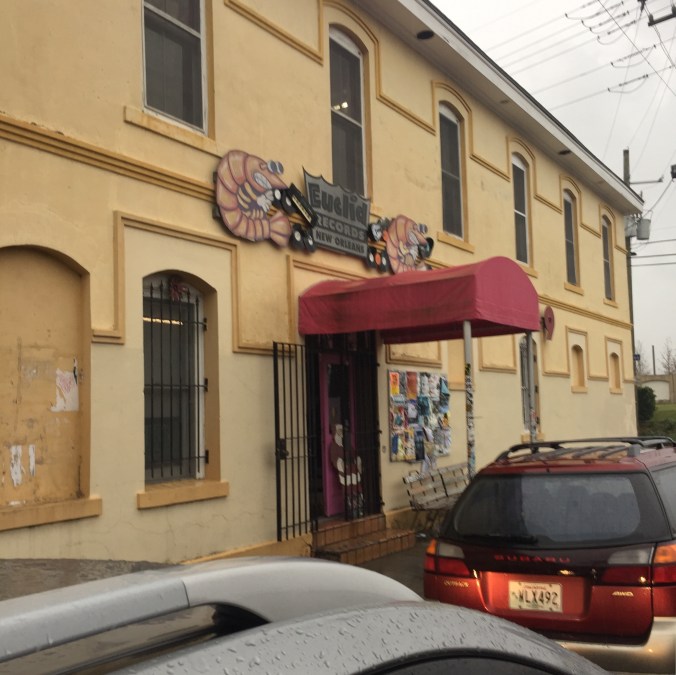
We hit three, and while one was atrocious (going to let that one go unnamed), two were excellent. They were:
What a selection. A ton of new vinyl, lots of used to flip through, a generous New Orleans section for tourists like me, and an upstairs jazz collection that I barely even scratched the surface of. I could have spend half a day there. We were there for a solid hour before Mrs. YHT — very reasonably, it should be said — shot off the “Hey, we’ve been here a while…” flare.
The person at the counter was extremely friendly when chatting with other customers (OK, so I have a habit of eavesdropping while flipping through records), and he was nice enough to give me a media mailer to keep my two acquisitions safe on the flight home. Those acquisitions:
tUnE-yArDs — Nikki Nack (used, $8)
I passed on getting this when tUnE-yArDs came to the National earlier this year, though I did pick up a few other items. One was this “Water Fountain” 45. I love “Water Fountain” (I’ve embedded the Song Exploder episode about it below), and the 45’s B-side is a Nikki Nack supercut, which started out as fun but gradually made me regret not getting the actual album. Very glad to have gotten a second chance at it. While Discogs says the $8 price point is normal for this pressing — translucent red vinyl! — it still felt like a steal.
Soul Jazz Records — New Orleans Funk, Volume 1 (new, $32)
Had a minor panic attack trying to decide which volume in this series to get, because they all looked excellent. This is the side of funk I enjoy most — the earliest takes on the genre that linger closer to blues and soul. It wasn’t cheap, but the three discs pack in a ton of great stuff. The day after we got back to Richmond, I had this on from about 2 p.m. to 7 p.m. straight, just cycling through the sides and feeling funky as hell. Looking forward to checking out volumes 2 and 3 (3 is actually on Spotify).
Just a block or two away from our hotel in the French Quarter. So often, stores that are close to the main tourist drag are crap, but I loved Skully’z. It’s tiny — you’d probably measure its footprint in square inchage instead of footage — and that’s definitely part of its charm.
You have to work together with the other patrons to make the best of the space, and I got this neat, “We’re all on the same team” vibe while I was in there. Way more fun than the “I’m terrified and we need to walk away very quickly” vibe I got when we stopped in front of the LaLaurie House on the way back to our hotel.
Snagged two things:
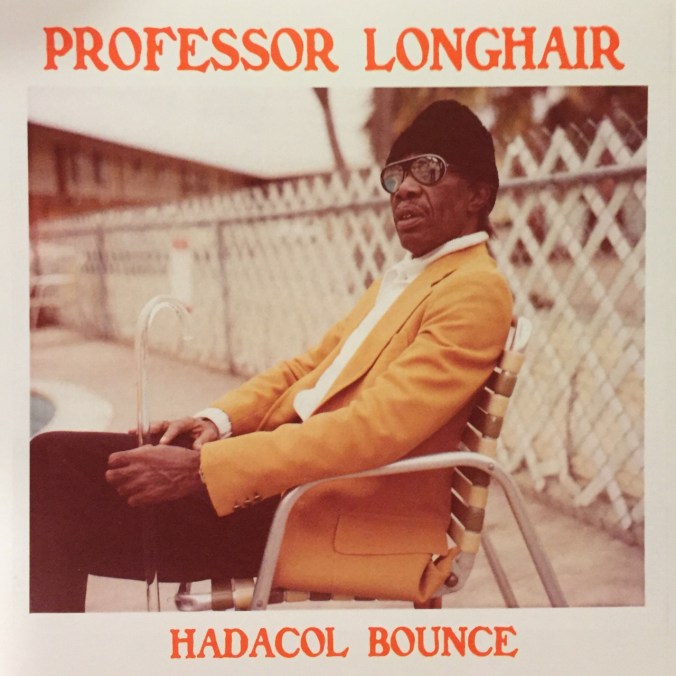
Professor Longhair —Hadacol Bounce (new, $23)
This was part of the store’s New Orleans section, and I was immediately drawn to the cover art. How badass does Professor Longhair look there? I mean c’mon. Baby YHT actually demands to stare at this record, because she loves the photo so much. It’s a German pressing, and as far as I can tell, it’s still not on Discogs, though I do see an Icelandic pressing. The person behind the counter (also very friendly — almost everyone we met in New Orleans was) said it had just come out the week before.
Not sure if this is the exact right version, but here’s “East St Louis Baby,” which is a dead ringer for Longhair classic “Go To The Mardis Gras.”
Found this in the very last bin I was going to look through. I love this album, and I’d been keeping an eye out for it — with no luck — since it came out in 2013. Which is funny, because the person I talked to (Skully himself?) said they’d done really well with it and sold a bunch when it first came out. Seems strangely appropriate that I found it in New Orleans. There’s a bluesy looseness to Grownass Man that reminds me of the atmosphere there. Maybe I’m manufacturing a connection. Either way, it was on my Phil Cook appreciation bucket list, and it may have been the find of the trip. That or Le Big Mac at Cochon Butcher. Holy crap, y’all. Life changing.
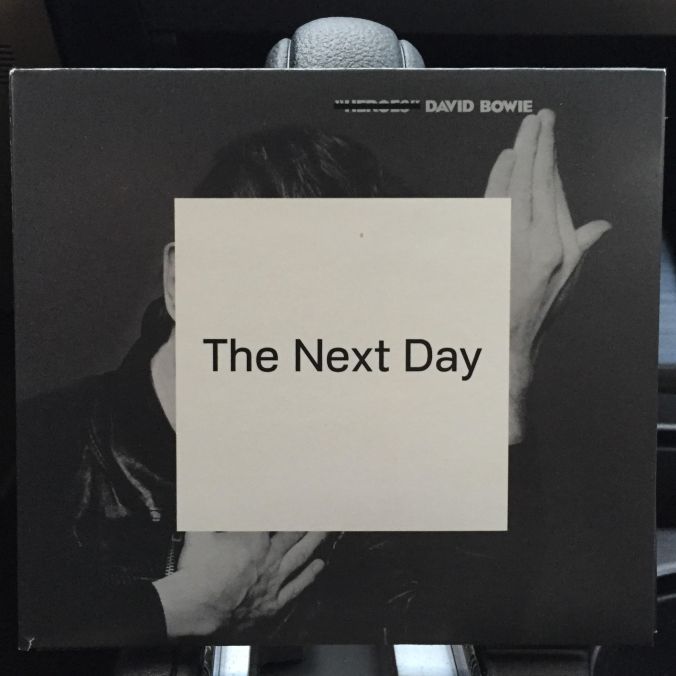
Another day. Another year. Time to look forward, and that’s just what this album cover says to me. Out with the old, in with the new. Perfect for the first CD Monday of 2016.
And how fitting is “ignoring the pain of their particular diseases” as a companion lyric for today — the most Monday Monday I can remember? I heard that line while driving to work and thought “That’s life, man.”
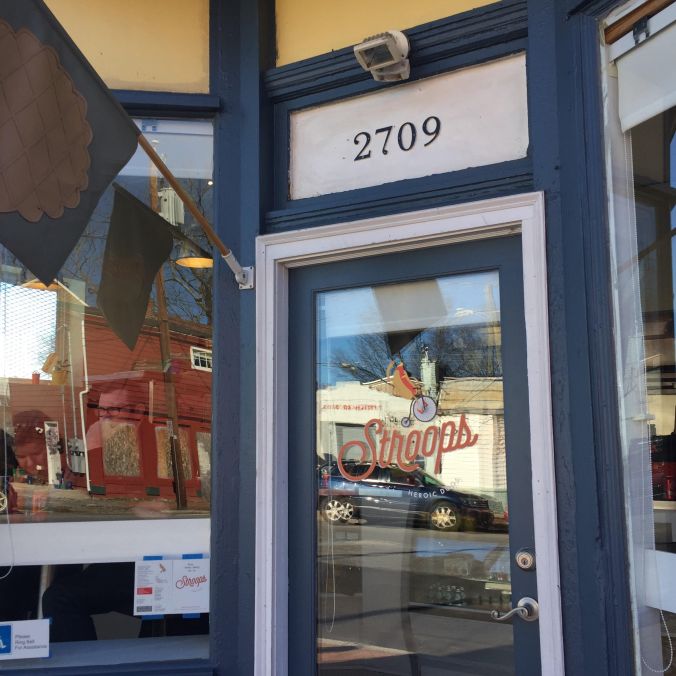
I love those alchemical experiences when you’re eating or walking down the street and you hear a song that crystalizes the moment, transforming whatever you’re doing into pure bliss or awe or gratitude. I’d like to start documenting those here, starting with a song I heard during lunch today at Stroops Heroic Dogs.
Stroops is the hot doggy offshoot of Dutch & Co., which used to feature a fancy dog once a week for just an hour. The tradition now has its own home a few doors down Marshall St., and while I was digging into an RVA Dog (pimento cheese, fried green tomatoes, and crab cakes — amazing), they played a version of “Seven Nation Army” I hadn’t heard before. Siri was kind enough to tell me it was Nostalgia 77. I thought the horns were even more prominent — maybe there’s a remix out there I’m missing — but here’s the closest version I can find.
In Colour makes me wish I knew more about the electronic genres he’s citing/mining/channeling, so I can stop using EDM as a catch-all term. These songs feel elemental, like Jamie’s taken the basic ingredients of the music he grew up with and combined the best bits with a ruthless and discerning efficiency. I don’t know which ingredients are which — what synth sounds come from house vs. techno vs. drum and bass vs. something else on this hilariously detailed Wikipedia page — but for the first time I can remember, I want to know.
I know I keep harping on how good 2015 has been for new music, but one (admittedly subjective and unscientific) measure of how good it’s been is how many albums could easily be considered the year’s best had they come out in another year. That’s one of the first things I think about when I check to see where Carrie & Lowell is ranked in other lists. In fact, it reopened what was, for me, a closed discussion: Which is the best Sufjan Stevens album? Illinoise. I used to be sure of it. Now, I’m not.
This here is an emotional sledgehammer. The Mike Tyson of chronicling a painful family history and your place in it. Sufjan is simply the best at this. No one else can take a profound sensitivity and turn it into a document that makes me want to compare it to a sledgehammer and Mike Tyson. It’s paradoxical, but that’s Sufjan Stevens, and Carrie & Lowell may turn out to be his best work.
Read the next entry and come back, OK? Done? Much of what I said about The Epic can be said here, except substitute an abundance of notes for an abundance of words. I’m still trying to wrap my brain around all that Joanna Newsom has given us in Divers. I could actually say the same of Newsom herself. I found a used vinyl copy of Ys earlier in the year (after I heard “Sapokanikan”), and used that as a gateway to Newsom’s wild, intricate universe. I’m still getting my bearings inside her world, but here’s how I know I’m a happy citizen of it: When Jim DeRogatis panned the album on Sound Opinions, I got really pissed. I started mentally writing a blog post in reaction — here’s a sampling of the thoughts going through my head at the time:
“OK, now you’re just being mean.”
“Would you say these things to her face?”
“I’m boycotting the shit out of Sound Opinions.”
These are the knee-jerk reactions of someone whose feelings were hurt. I did not publish that post, and I have not been boycotting Sound Opinions. All the same, I learned that I’m on Team Newsom for good, even if I don’t yet fully grasp the game we’re playing.
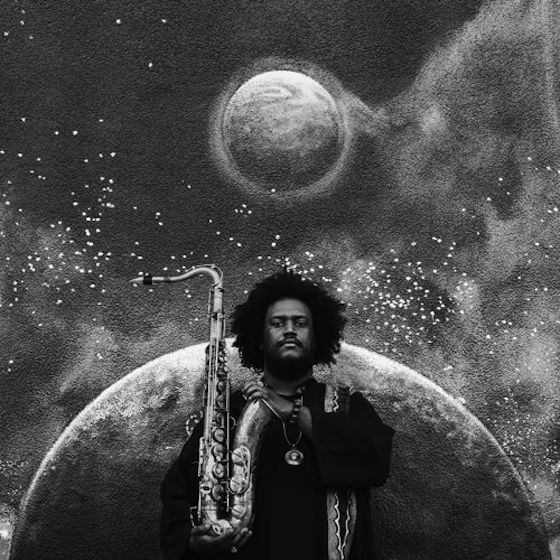
Last year, Black Messiah was the album I ranked somewhat speculatively, because I hadn’t had all that much time with it. (Probably should have been higher than #7.) Kamasi Washington’s ranking is somewhat speculative as well, but for a very different reason: Because it’s so damn long, I’ve only listened all the way through once or twice. I’ve listened on Spotify a fair amount, and I’ve spun my vinyl copy a number of times, usually picking a disc and side at random, but I’m not sure I have a grasp on the thing as a whole yet. Regardless, there’s a magnetism to the project that makes it hard to discount or ignore. Some of that pull comes from the content and its scope, some from his connections to artists like Thundercat, Flying Lotus, and Kendrick Lamar. Some comes from how people are talking about Washington resurrecting a West Coast jazz scene that was flagging (I guess — I don’t really know much about that scene). Whatever it is, I’m not filing The Epic away any time soon.
This is White’s third appearance in the 2015! Holy Crap! series. It was one of my favorite physical releases, one of my favorite Richmond releases — only natural it resides here as well.
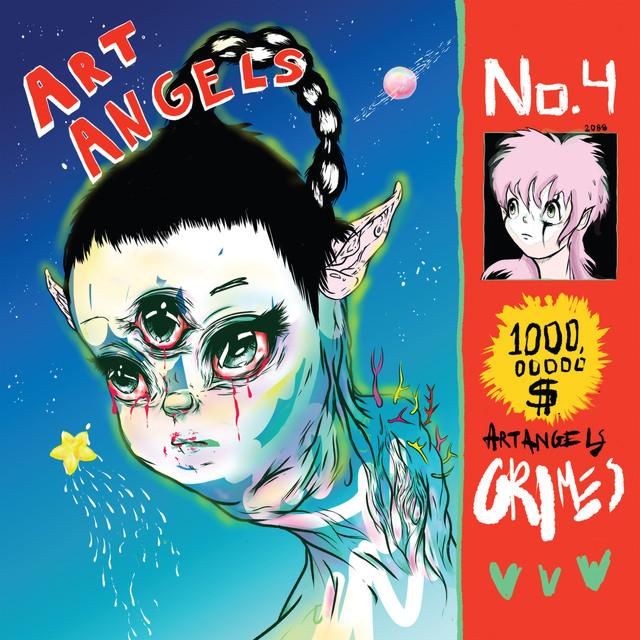
“Kill V. Maim” sealed the deal. More specifically it was the cheerleader-y pre-chorus — one of those certifiable moments when you decide halfway through a song that you love it, you will always love it, and you love the tracks before and after for just being near it. In truth, if that moment hadn’t come during “Kill V. Maim,” it would have happened eventually, because Art Angels is unreasonably packed with excellent, memorable, marketable songs — “California,” “Flesh Without Blood,” “REALiTi,” “Artangels” — to the point where you start thinking that it’s just not fair. This should be a greatest hits collection, not an album of all-new material.
Side note — if you have a chance, look up “SCREAM” on YouTube and watch the craziness unfold. Can you imagine being there for that? I’m not sure I could even handle it, but I’d love the opportunity to try.
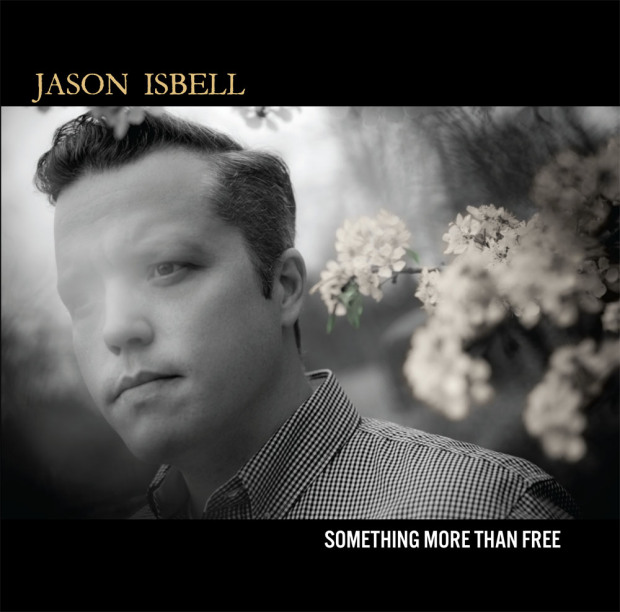
Doug Nunnally wrote some incredibly insightful words about Something More Than Free for RVA Magazine — I’d direct your attention there and zoom in on a particular passage here:
At times, it feels like a companion piece to Bernie Sanders’ campaign as it touches on similar themes of correcting issues that grew from grey areas while simultaneously voicing the frustration of blue-collar workers and the dwindling middle class.
This gets at something I’d been hoping to articulate about these songs, and about Isbell’s work in general. Isbell’s politics run counter to those of many with his accent, and I’d guess those politics are informed by something subtle but powerful that comes through in his songwriting: A consistency in the value he places on each person’s story. He gives his characters a fundamental sense of dignity — a generous allowance for imperfection that’s not apologetic as much as it’s understanding. Factual, even. No life is devoid of pain — not the father in “Speed Trap Town,” not the son; not the older generation in “Children Of Children,” not the younger — and when you build up from that basic sense of generosity, you get a worldview that’s compassionate and wise. It’s the kind I’d like to cultivate as I get older, and the kind I’d like to pass along to my daughter. Listening to Isbell is a good step in that direction, I think.
This album, while home to plenty of pretty singing and playing, is an ode to our ugliest impulses — those thoughts we fight against to get through the day and feel like a normal, contributing member of society. There’s a whole lot of “Fine, I’ll be the one to say it” on I Love You, Honeybear, and while I’d usually associate that kind of speech with attention-craving, I think Josh Tillman thinks this country (see “Bored In The U.S.A.) is operating at a severe deficit when it comes to self-reckoning, and I think he’s right. It doesn’t mean we should all be saying awful things to each other and following our ids wherever they lead us, but it does mean we should spend a little more time thinking about why we do the things we do and how we can collectively reach a more honest place. It might not be pretty, but that’s OK.
Going to retread what I said on Sound Gaze a bit here, but To Pimp A Butterfly reminds us that, despite 2015 being a phenomenal year for new music, not everything that happened this was year good. Police violence. Racism. Poverty. These problems aren’t new, but they’ve rocketed to the front of America’s consciousness (and conscience) as part of — what I hope will be — a movement pushing us closer to solutions. In that sense, TPAB is the perfect marriage of subject matter and timing — the album of the year, in more ways than one.
Yet its timeliness is only part of what makes it great. Lamar’s versatility, the depth and drama afforded by jazz instrumentation, the meta-narrative that builds as the album progresses… it all feels like proof that we’re looking at a once-in-a-generation talent. Let’s hope America listens.
I wrote for RVA Mag that this album was “true north” for me in 2015, and there was actually a physical manifestation of this. Mrs. YHT got me this really nice wooden record case for our fifth wedding anniversary, and I decided at some point that it would hold current-year albums and be emptied each New Year’s day. One side effect is that I can’t help kinda sorta ranking the albums in the box, with the most played, most beloved ones working their way to the front. Natalie Prass’ album spent the entire year there. The top inch or so was visible in my living room all those months, giving me a zillion opportunities to consider and reconsider how much it meant to me, and the only time it wasn’t in the front of that case was when it was being played. Like I said — true north.
Just now realizing that the front of the case actually does face north. Whoa.
I did a full Top 25 for RVA Mag — here’s the rest:
11. Shye Ben Tzur, Jonny Greenwood and the Rajasthan Express — Junun
12. Jr Jr — Jr Jr
13. Alabama Shakes — Sound & Color
14. Punch Brothers — The Phosphorescent Blues
15. Asaf Avidan — Gold Shadow
16. Shamir — Ratchet
17. Pokey LaFarge — Something in the Water
18. Phil Cook — Southland Mission
19. Mutoid Man — Bleeder
20. Daniel Bachman — River
21. Pops Staples — Don’t Lose This
22. Son Lux — Bones
23. Courtney Barnett — Sometimes I Sit and Think, Sometimes I Just Sit
24. Tobias Jesso Jr. — Goon
1, 2, 3, 4, 5, 6, 7, 8, 9, 10, 11, 12, 13, 14, 15, 16, 17, 18, 19, 20, 21, 22, 23, 25, 25. The Trillions — Superposition*
*Because of the principle of superposition, this album technically occupies every position in the Top 25.
There is a wonderful specificity to the lyrics — real and focused emotional messages that are often missing from music with the pop signifiers you hear on Make Noise — but my main takeaway has been more general. I hear both sensitivity and boldness in its words, and when you’re going through difficult times, those two qualities couldn’t be more crucial.
Another great example is “Lightning,” The burn is slow, building from the verse to a passage that would serve as the chorus were it not for an even more intense, imploring chorus that follows. All the while, you get a glimpse into this private world of motivations — one where strength and vulnerability are tuned on their heads: “Your lightning keeps on burning holes in my thick skin.” Each track on Make Noise presents this kind of lived-in universe worth exploring with patience and empathy. In that sense, this could be one of your favorite albums of 2016 as well.
Ambition is best when paired with honor, and Bury My Heart is proof. In communicating the tragic story of the Native American genocide, Scott Clark has issued an open invitation to consider more deeply a part of American history that is too often (and callously) ignored. The fact that he set out to convey such weighty subject matter wordlessly is where the ambition comes in. To say he let the notes do the talking would be to downplay how difficult it is to imbue an instrumental piece with specific ideas and emotions; the capacity to do this has always seemed borderline magical to me. Clark clearly has that capacity, and it’s inspiring to see the gift used to such a righteous end.
In 2014, he set his sights on recording a new album, and he decided to do so under a new name – the B-Snap-tet… Under the guiding hand of Minimum Wage Recording owner Lance Koehler, who also recorded and engineered Con Legno, Cruse produced a truly eclectic listening experience, from the hip-hop-inspired “Nightlight” to the album’s meditative centerpiece, “26.1,” which takes on the grave topic of the previous year’s Boston Marathon bombing.
Crystals is excellent; I got my vinyl copy a few Fridays back and felt transported — each track felt like it was dropping me on the set of a different old movie.
A glowing YHT review of this album is long overdue. Same goes for Manatree’s live show — both are polished and powerful to a degree that’s rare for a band promoting a debut full-length. These songs are so sharp, precisely pivoting from clean to heavy, all the while building melodies that hold tracks together. The word “agile” comes to mind. This is the music Fender guitars dream of when they’re not being played.
I don’t think No BS! will stop acting as ambassadors of Richmond fun anytime soon, but judging by their new album, Brass Knuckles, they have their eyes set on an even bigger role. By taking up the banner of social justice in songs like “Act Like You Know” and “Tyrannis,” the group is using their force-of-nature arrangements and abilities to amplify the voices of those in the community who are taking progressive stances on issues related to race, inequality, and policing.
I’ve written about Glossa a few times since its release (check those posts out here, here, and here), and I was so thrilled to see “Pedal Through” included on NPR’s favorite songs list. Congrats to Positive No on an excellent year!
This was the album I reached for when friends and family came for dinner or a visit. I loved playing them “It Is You,” a marvel of a song, and hearing the beat to “Bird Of Prey” and the powerful conclusion of “My Baby Don’t Understand Me” meant pinching myself — reconfirming that this phenomenon, with roots in Richmond, was real.
When I first heard This Is Love, I couldn’t get over the one-two punch of “Come Inside” and “Real Feel Sound.” I kept replaying them, amazed by the confluence of soul, gospel, jazz, R&B and hip hop. Reed’s voice soars in spots and seethes in others, and the backdrop provided by the Jellowstone family — especially the gritty bass in “Come Inside” and the enormous chorus of “Real Feel Sound” — had me enthralled. It’s such a lush, detailed landscape.
Most bands would kill to be as complex or as catchy as the Trillions can be, yet it’s the balance they bring to those forces that makes them truly exceptional. “Dead Meat” is my favorite illustration yet. There’s more musicality in opening seconds than in some entire albums, yet the intro gives way to a verse that exudes strength via sparse precision. Throw in a sweetly sung, slightly unsettling chorus and you have the Trillions at their best — a powerhouse as discerning as it is dynamic.
White’s taken his hushed vocals and preternatural knack for gathering talent and applied them to subjects ranging from simple pleasures (“Fruit Trees”) to church abuse (“Holy Moly”), Philip Seymour Hoffman (“Tranquility”) to music itself (“Rock & Roll Is Cold”), all the while lifting up the R&B tradition to which he’s making significant contributions.
OK, so maybe “quick” isn’t the right word here, because Doug Nunnally let me hang around for two whole hours chatting about 2015 music for a special retrospective edition of Sound Gaze, which was followed by his countdown of the best songs of the year. He’s already said this on Twitter, but we absolutely could have done another two hours, given this year’s bumper music crop and the enthusiasm he inspires when we get talking. Many thanks to Doug for having me on, and just as many apologies for smacking my gums so many times. No idea what that was about. Listen below!
I’m either too lazy or scatterbrained to do a post compiling my favorite songs of 2015, but were I more industrious, “You Heard What You Wanted” would definitely be on that list. I called it an “architectural marvel” when I first wrote about it, and I can’t wait to hear what John Harouff builds next.
Landlady is one of my favorite groups making music right now, and they gave us a wonderful EP in June, with covers of Sly Stone and Talking Heads songs and originals that had been shelved for different reasons. Their gift wasn’t just musical — frontman Adam Schatz also gave us (via the liner notes on Bandcamp) a most elegant description of what an EP can achieve. Like everything else Landlady does, those notes and the songs they describe feel a little more thoughtful — elevated, somehow — and I’m left feeling very, very thankful. So thankful, in fact, that I ending up buying a cassette copy of Heat for a coworker whose car has a tape deck. Then I started feeling jealous about not having a tape deck in mine. I have a problem.
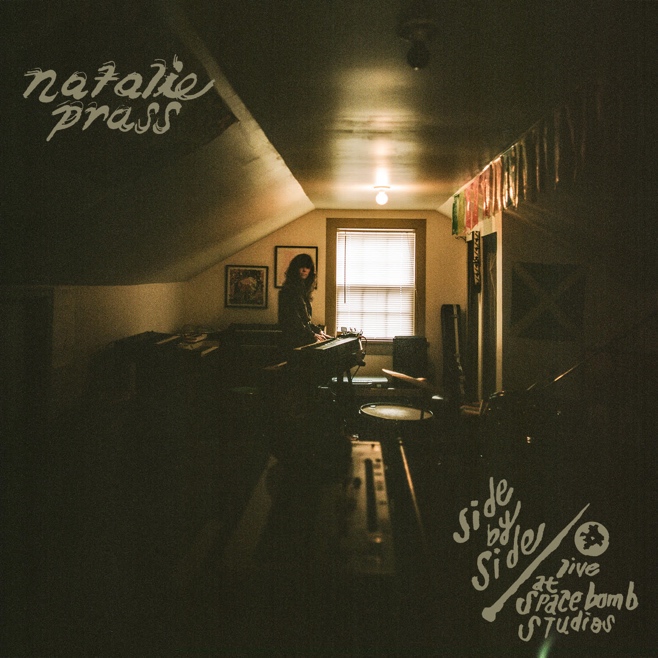
I had an A+ freakout trying to order this from Rough Trade when I found out that the UK label had pressed a small number to vinyl. Their checkout system was down, and I think their account registration system was on the fritz, too (this was my first order from the site), so I’m pretty sure I now have accounts via three different email addresses. Whatever — it’ll all be worth it when Side by Side arrives. It’s an excellent companion to Prass’ self-titled debut, giving her voice a chance to breathe via some sparseness and giving us all a chance to enjoy the electricity she creates in the live setting. Fingers crossed that Rough Trade order went through…
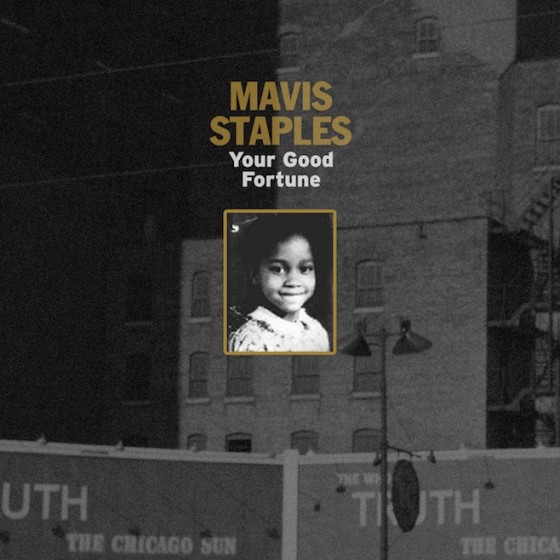
-New EP from Mavis Staples? Check. -Savvy electronic production from labelmate Son Little that lays down a haunting and murky atmospheric foundation while threading the reverence+newness needle? Mhmm. -Two songs written by Son Little? Yup. One by Blind Lemon Jefferson and another by Pops Staples? Yuuuup. -Perfectly unsettling background vocals (Son Little’s, I think) on “See That My Grave Is Kept Clean”? Damn right. -Worth a listen? You better believe it.
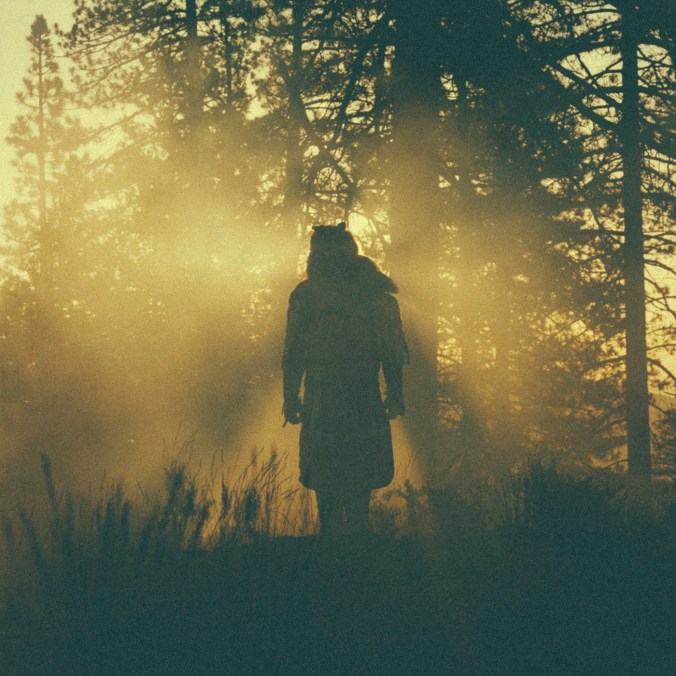
Have y’all started listening to Song Exploder yet? It’s a great podcast (short episodes — usually in the neighborhood of 15 minutes) in which musicians pull songs apart and piece them back together to share insight on how they were made. (The songs — not the musicians. I think we all know how the musicians were made.) Thundercat did an episode that detailed the production of “Them Changes,” and it changed the way I look at the song. What Stephen Bruner does can sound extremely complex, but when he describes his music, he makes it sound so natural. Off-the-cuff, even. And I loved hearing about how the vocals took shape. Long story short: Listen to Song Exploder, listen to The Beyond/Where the Giants Roam, be happy you did both.
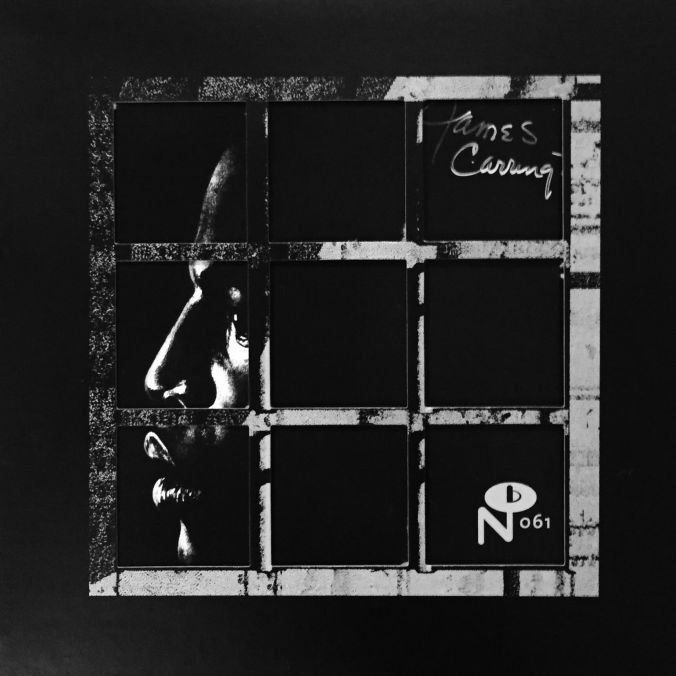
Eyes of Love is intriguing for a number (or should I say Numero?) of reasons. The fascinating backstory, the fact that the recording took place at a correctional facility just outside Richmond, the electricity that comes from having to nail (and having nailed these) songs in one or two takes… But the thing I loved most about the re-release of Eyes of Love was the jam-packed event Steady Sounds held, which gave the band the opportunity to see firsthand that people are invested in the music they made all those years ago. Those songs didn’t just vanish into the air. The mistakes we make never stop being a part of us, but neither do our accomplishments, and I hope James Carrington signing my copy (pictured above) felt half as meaningful to him as it did to me.
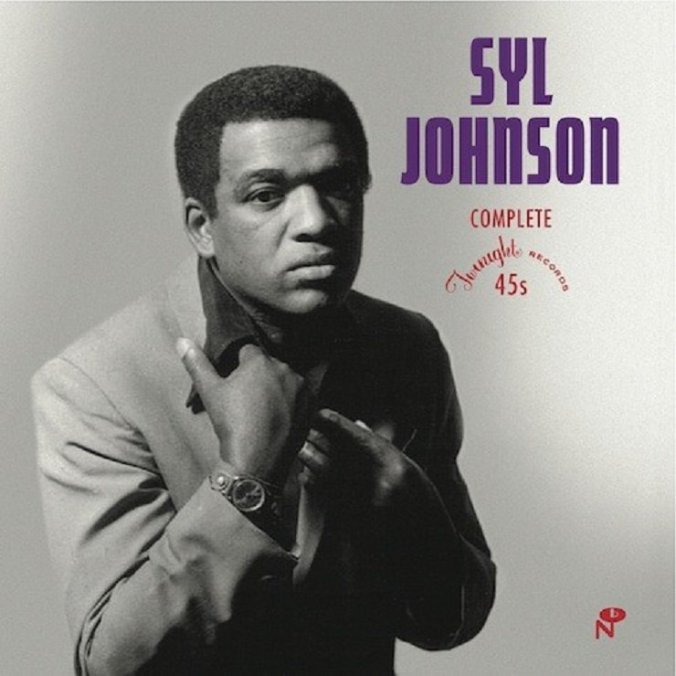
Another awesome Numero Group release. Thanks to this extensive resource, which was released in August, I got to spend the second half of this year getting to know a large chunk of Johnson’s work, which now feels as canonical as it always should have. I had no idea my soul Mount Rushmore was missing such a crucial face.
When Deseret Canyon was released on CD in 2008, it was credited to The Paper Hats, but the album was reissued earlier this year on vinyl under William Tyler’s name. It’s kind of confusing. It took me a while to wrap my brain around the whole thing. It also took my a while to commit to buying Deseret Canyon — I visited it at Plan 9 three or four times before taking the plunge. I’m glad I did though. If Daniel Bachman has taught me anything, it’s that being a generous listener — giving artists time and space to develop ideas gradually — pays big dividends, and Deseret Canyon is especially rewarding in this sense.
I was so thrilled to snag this on Record Store Day Black Friday. It’s hard to believe this had never been issued on vinyl in America. Or maybe it’s strangely appropriate, given the scene in which Jack Black won’t sell that poor sap a copy of Safe as Milk. Either way, those dark days are behind us, and vinyl nerds everywhere can revel in this truly excellent collection. Or as the Kinks might put it…
SRV was the first guitar deity I worshiped, and while I hadn’t heard about this particular show before its release for RSD Black Friday was announced, one look at the track list sold me. See for yourself — lots of Hendrix, some of Vaughn’s best songs… makes me wonder why I haven’t been a more faithful congregant in recent years.
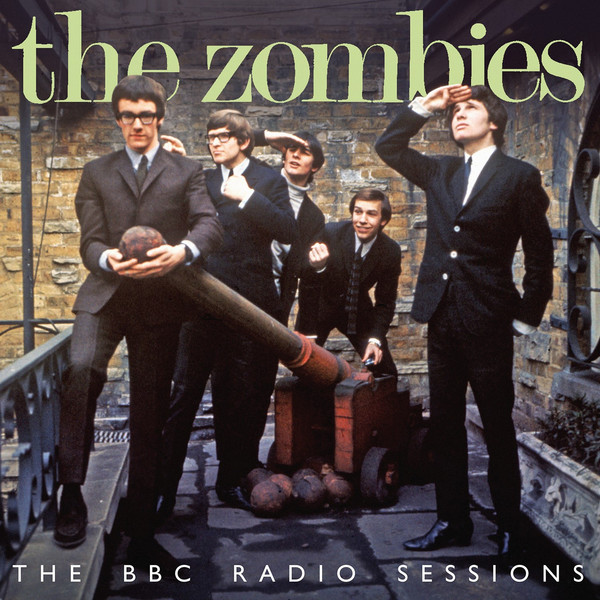
OK so this turned out to be mostly a RSD Black Friday retrospective, but whatever — this is really fun stuff. I fell in love with the live-at-the-BBC format via the two Beatles BBC releases. Some interviews, some covers of songs that were popular at the time… you get a great sense for the moment in which these radio shows were recorded. Though it lacks some of the best Zombies songs, you still get to sit back and imagine hearing “Tell Her No” on the radio for the first time. How wild would that have been? And how wild is it to think about the power radio had back then? I’m telling you — this is fun stuff.
















 You Hear That